The Catalan Fashion Cluster (MODACC) held the webinar "Logistics crisis in the Middle East. How to ensure the supply of the FW26-27 collection", an online session that took place on Friday 27 March and which brought together thirty representatives of Catalan companies in the fashion sector.
The day was born from the need detected by the cluster among its associated companies to better understand the current international scenario, marked by geopolitical tensions in the Middle East, the diversion of maritime routes and the volatility of logistics costs. A context that is redefining the rules of international trade and that has a direct impact on the supply chains of the textile and fashion sector, from raw materials to packaging.
During the session, there was evidence of the growing concern of many companies in the face of a scenario of uncertainty which, despite not having a direct impact on consumption right now - since the spring-summer collections are already in the points of sale -, it can affect those parts of the autumn-winter collections that are currently being produced in several Asian countries if the conflict drags on over time.
The webinar had the participation of Marc Ferrer, CEO of Grup MET - a Catalan company specialized in the supply chain for the textile, fashion and pharmaceutical industries; among other sectors-. Ferrer analyzed the global logistics situation and explained how the war conflict is altering both the deadlines and the costs of the international traffic of goods. Ferrer pointed out that, in the case of air transport, many airlines have stopped operating and this has forced the redistribution of the cargo load between the companies that remain active. This reorganization is causing delays of between six and eight days in air exports from Asia to Europe.
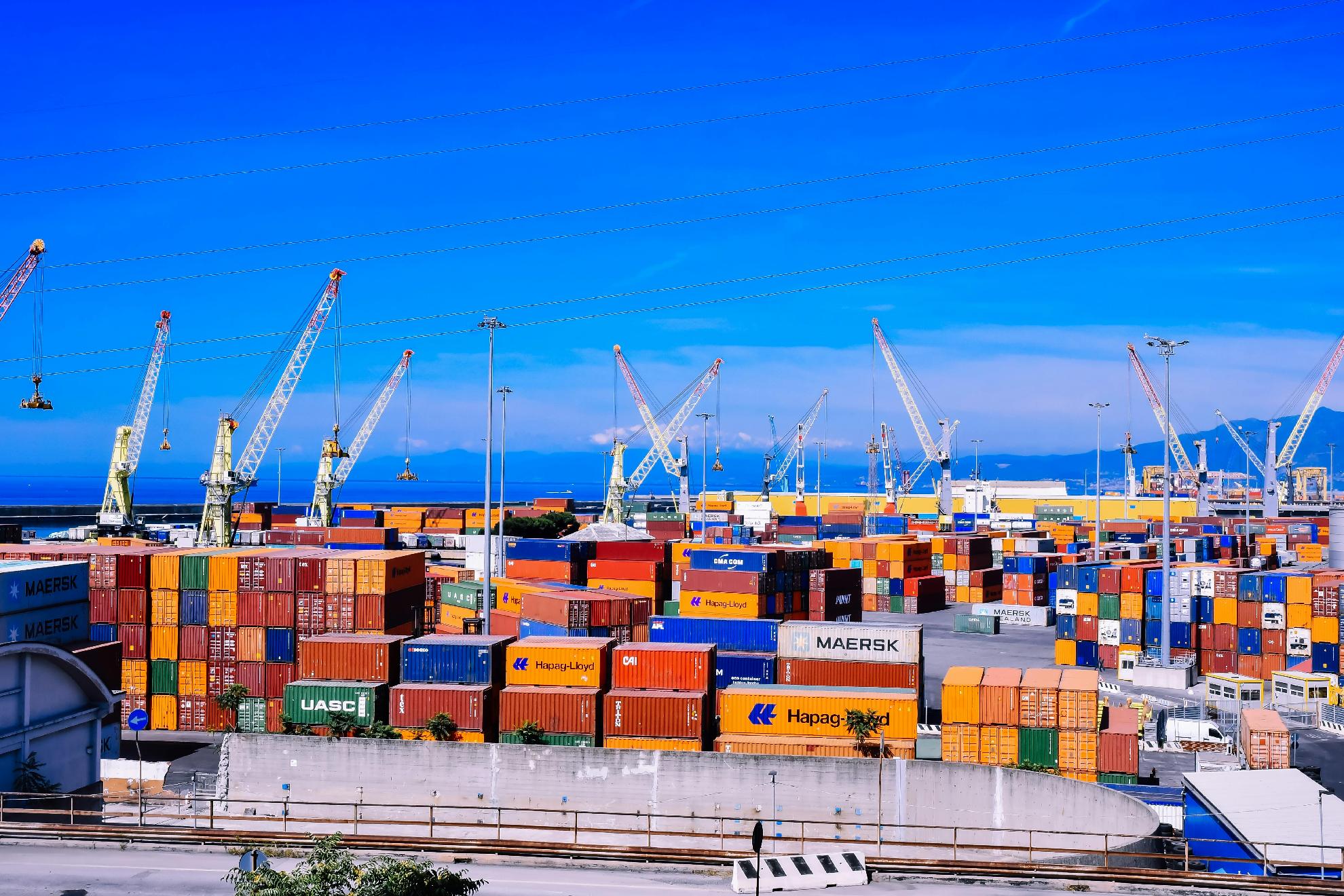
Regarding maritime transport, Ferrer warned that changes are taking place in the international flows of goods, especially in shipments with a final destination in the United States, Latin America and Europe. This rearrangement is causing an increase in transit times and heavy congestion at import ports, which also makes it difficult for exports to exit. As he pointed out, the main logistical tension could come in the next two or three weeks, when an even greater concentration of cargo is expected at the ports.
Faced with this scenario, Grup MET presented some alternatives to help companies better plan the import of the next collections, such as opting for shipping lines that connect Asia directly with the port of Barcelona without making stops at hubs in the Middle East, even if this means a more expensive option.
As for SMEs, the expert defended the need to design personalized logistics proposals for each case, combining air or sea transport according to the delivery terms they have, the margin and selling price and the sensitivity of the goods. He recommended that brands work as far in advance as possible to anticipate scenarios, review logistics strategies and prioritize service over price.
In this context of uncertainty, MODACC proposes to carry out continuous monitoring of the situation in the Middle East to identify changes in the geopolitical context, anticipate their possible effects on the fashion business and facilitate the adaptation of companies in the sector to the international situation.






 NDP_GRUPMET -
PDF (588 KB )
NDP_GRUPMET -
PDF (588 KB )